Mini-split startup is more than turning the system on
Mini-splits and ductless heat pumps are a strong fit for many homes and small businesses in Methuen, the Merrimack Valley, and Southern New Hampshire. They can provide efficient cooling, heating, and zoned comfort without needing a full ductwork system. But the system only performs as well as the installation and startup work behind it.
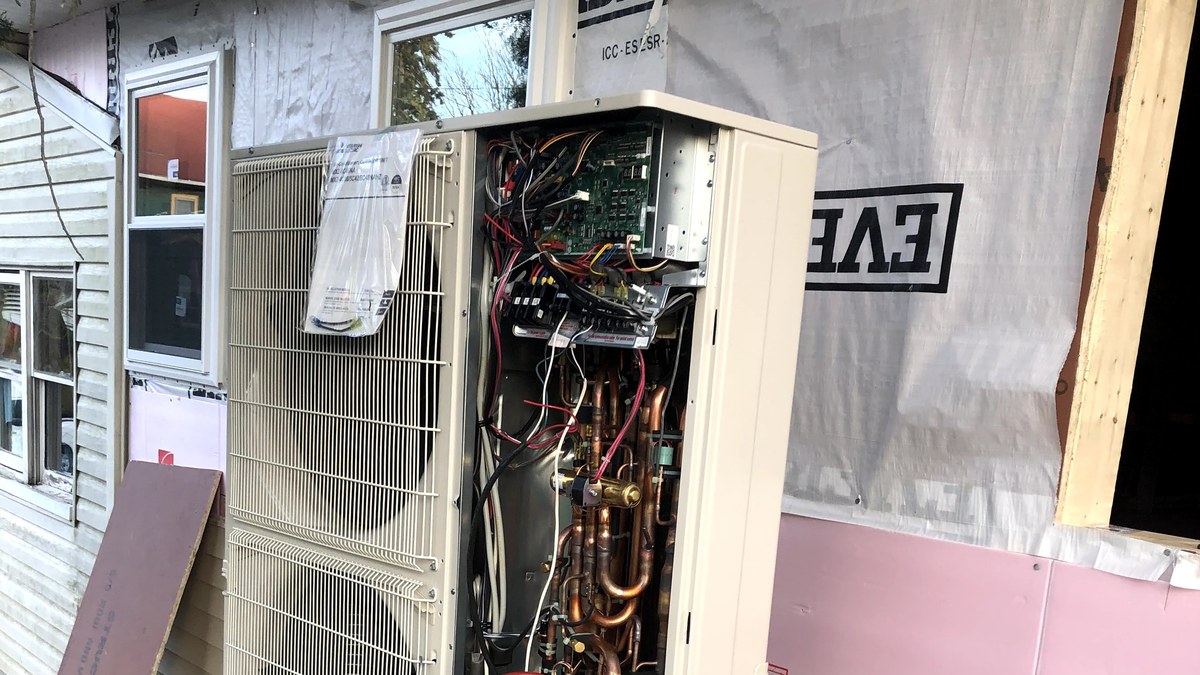
The work photo for this post shows an outdoor mini-split or heat pump unit opened for service, with refrigerant hoses and internal components visible. That kind of setup supports an important point: after installation or repair, a technician should verify that the system is operating correctly instead of assuming it is ready because the indoor unit turns on.
This article explains why mini-split startup checks, refrigerant testing, and service access matter for comfort, efficiency, and long-term reliability.
What happens during a professional mini-split startup?
A proper startup is the process of confirming that a newly installed or recently serviced mini-split is ready to run under real conditions. The exact steps vary by equipment and job site, but the goal is always the same: verify safe operation, correct airflow, proper refrigerant performance, and clean drainage before the homeowner depends on the system.
For a ductless heat pump or mini-split, startup checks may include reviewing electrical connections, confirming line-set condition, checking the outdoor unit, testing indoor unit response, measuring system performance, and looking for installation details that could create problems later.
It is not enough for the system to blow cold or warm air for a few minutes. A system can appear to run while still having issues with charge, airflow, condensate drainage, communication wiring, or service clearance. Those small details are often what separate a clean installation from a callback.
Why refrigerant checks matter
Refrigerant is the substance that moves heat in and out of the home. In cooling mode, it helps remove heat from inside and reject it outdoors. In heating mode, a heat pump reverses the process and pulls heat from outdoor air to warm the space.
If the refrigerant side of the system is not right, comfort and efficiency suffer. Low refrigerant, a poor flare connection, trapped moisture, or a restriction can make a system work harder than it should. Over time, that can lead to weak cooling, poor heating performance, ice buildup, nuisance shutdowns, or compressor stress.
That is why trained HVAC technicians use the right tools and procedures during startup and service. Refrigerant testing is not guesswork. It should be handled by qualified professionals who understand the equipment, manufacturer requirements, safety practices, and environmental rules around refrigerants.
Service access is not an afterthought
The photo also shows why service access matters. The outdoor unit needs enough room for a technician to remove panels, connect instruments, inspect wiring, check piping, and clean around the equipment. If a unit is boxed in too tightly, installed too close to a wall, or placed where the service side is hard to reach, future maintenance becomes slower and more expensive.
Good access also helps airflow. Outdoor units need clear space around them to move air across the coil. Shrubs, debris, fencing, storage bins, snow buildup, and tight corners can all reduce performance. When the unit cannot breathe, the system has to work harder to heat or cool the building.
For Merrimack Valley and Southern NH homes, placement also matters because of winter conditions. A heat pump outdoor unit should be installed with drainage, snow clearance, and serviceability in mind.
Signs a mini-split may need service after installation or repair
Homeowners do not need to diagnose the system themselves, but they should know when to call an HVAC technician. Schedule service if you notice:
- Weak cooling or heating from one or more indoor heads
- The system running constantly without reaching the set temperature
- Ice forming on the indoor or outdoor unit
- Water leaking from the indoor unit
- Unusual noises, vibration, or repeated error codes
- A sudden increase in electric usage
- The outdoor unit short-cycling or shutting down unexpectedly
- One room feeling comfortable while another zone does not respond
Some of these issues can be simple, such as a clogged filter or blocked airflow. Others may point to refrigerant, drainage, wiring, sensor, or installation problems. The safest path is to have the system checked before a small issue becomes a larger repair.
Why mini-splits are popular in older local homes
Many older homes around Methuen, Lawrence, Haverhill, Andover, Dracut, Salem NH, and nearby towns were not built with modern central air in mind. Ductless mini-splits can be a practical option because they do not require large duct runs through finished walls and ceilings.
They are often used for additions, finished basements, older bedrooms, home offices, apartments, small commercial spaces, and areas where the existing heating or cooling system does not keep up. A well-planned mini-split can improve comfort in a targeted area without overhauling the whole building.
But planning matters. The right equipment size, indoor-unit placement, line-set routing, outdoor-unit location, electrical work, condensate drainage, and startup verification all affect how the system performs.
Maintenance helps protect the investment
Once a mini-split is installed and commissioned, regular maintenance helps keep it running properly. Homeowners can help by keeping filters clean, keeping the outdoor unit clear, watching for water leaks, and paying attention to changes in comfort or noise.
Professional maintenance goes deeper. A technician can inspect the coil, blower wheel, drain line, electrical components, refrigerant performance, and overall operation. For homeowners who want routine reminders and priority scheduling, NewGen HVAC’s Comfort Plan can be a useful way to stay ahead of seasonal service needs.
When to call NewGen HVAC
If your mini-split is not keeping up, showing an error, leaking water, or was recently installed and does not feel right, it is worth having the system checked. NewGen HVAC / New Generation HVAC LLC is a family-run HVAC company based in Methuen, MA, serving homes and businesses across the Merrimack Valley and Southern New Hampshire.
We handle residential HVAC, commercial HVAC, commercial refrigeration, and commercial kitchen equipment service with practical diagnosis and clear recommendations.
Need help with a ductless mini-split or heat pump? Call NewGen HVAC at (978) 876-8558, email jc@newgenhvac.com, or visit https://www.newgenhvac.com/contact/ to request service or a free estimate.