Commercial HVAC ductwork does more than move air
For many commercial buildings, the rooftop unit gets most of the attention. It is the visible piece of equipment, and it is usually where a technician starts when there is a heating or cooling complaint. But the ductwork connected to that equipment is just as important.
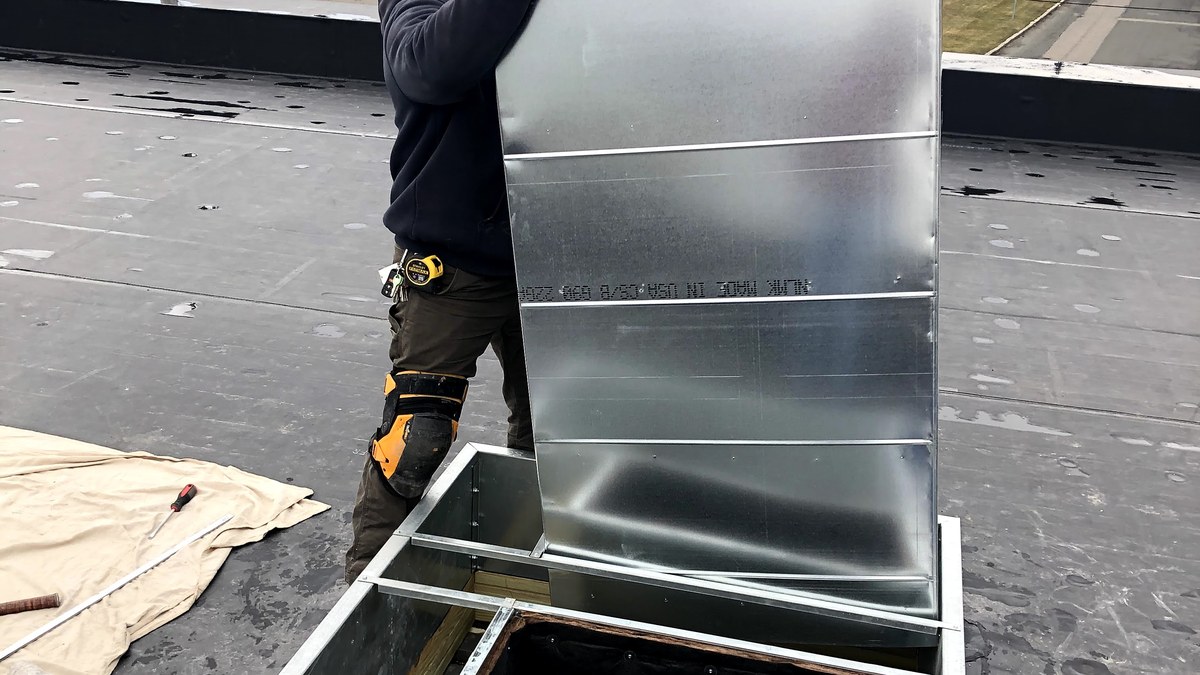
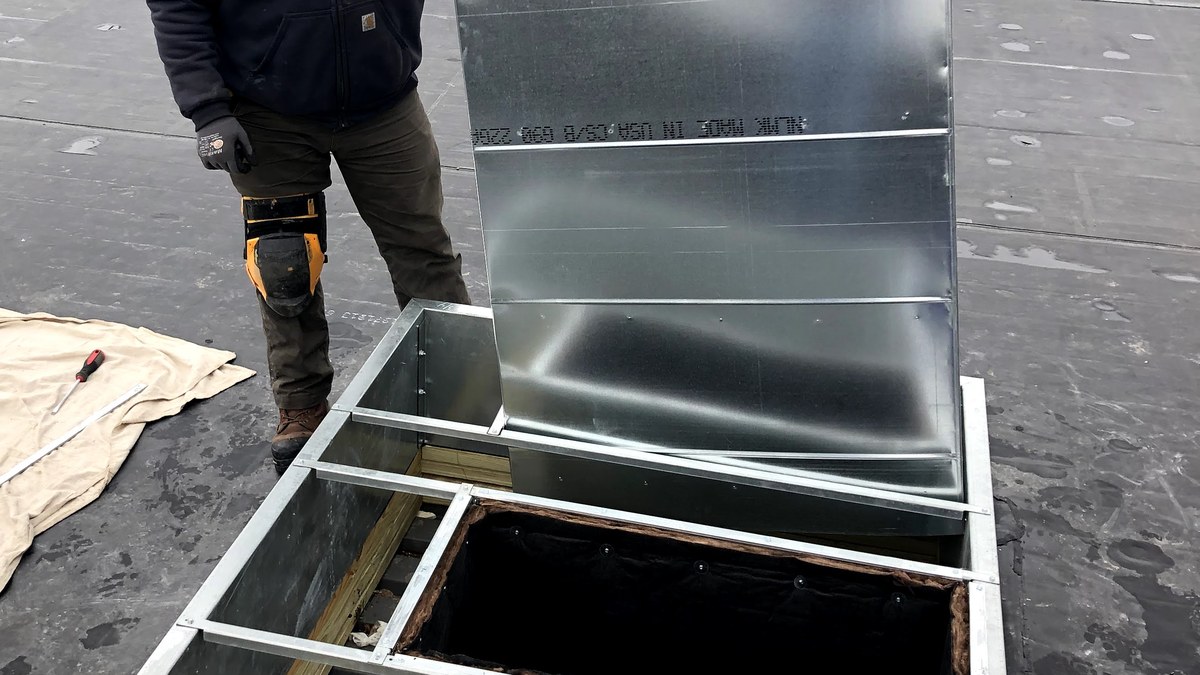
The photo used for this post shows rooftop ductwork at a commercial building. It is a good reminder that comfort problems are not always caused by the rooftop unit itself. Airflow, duct sealing, curb connections, insulation, and rooftop weather exposure can all affect how well the system performs.
For businesses in Methuen, the Merrimack Valley, and Southern New Hampshire, commercial HVAC ductwork should be part of a regular service conversation—not an afterthought when the space is already uncomfortable.
Why rooftop duct connections matter
Commercial rooftop systems have to move conditioned air from the equipment into the building through duct openings, curbs, transitions, and sheet metal connections. When those connections are built well and maintained properly, the system can deliver air where it is needed. When they are loose, leaking, damaged, or poorly insulated, the building can lose comfort and efficiency.
Common duct-related issues can include:
- Air leaks around rooftop transitions or equipment curbs
- Damaged or missing insulation near exposed ductwork
- Poorly sealed sheet metal joints
- Water intrusion around rooftop openings
- Airflow imbalance between different rooms or zones
- Noise or vibration from loose duct sections
Those problems can make a working rooftop unit look like it is underperforming. Before replacing major equipment, it is worth confirming that the duct system is not wasting airflow or pulling in outdoor air where it should not.
Signs a commercial building may have ductwork problems
Business owners and property managers do not need to diagnose ductwork themselves, but they can watch for patterns. If the same comfort complaints keep coming back, the duct system may need attention.
Warning signs include:
- Some rooms are too hot while others are too cold
- The system runs for long periods but still struggles to satisfy the thermostat
- Employees notice drafts, whistling, or rattling near vents
- Utility bills rise without a clear change in business use
- Water stains appear near ceiling registers or rooftop penetrations
- A rooftop unit has repeated service calls but no clear equipment failure
These symptoms do not prove there is a duct problem, but they are good reasons to schedule a commercial HVAC inspection. A technician can check airflow, visible duct condition, rooftop transitions, and the equipment itself.
Ductwork affects energy use and equipment life
When conditioned air leaks before it reaches the occupied space, the HVAC system has to work harder. That can mean longer run times, uneven comfort, and more stress on motors, compressors, heat exchangers, and controls.
In New England, rooftop ductwork also deals with weather. Rain, snow, wind, freeze-thaw cycles, and summer heat can wear down exposed materials over time. Even a small gap or weak seal can become a bigger issue if it lets in moisture or allows air to escape.
Good ductwork maintenance helps protect the investment in the rooftop unit. It also helps businesses avoid comfort complaints that can affect customers, tenants, employees, or operations.
What a practical commercial HVAC inspection should include
A useful inspection looks at the system as a whole. For rooftop commercial HVAC systems, that can include both the equipment and the duct connections that serve the building.
Depending on the site, a technician may review:
- Rooftop unit operation and basic performance
- Visible sheet metal condition and fastening
- Duct transitions, curb connections, and penetrations
- Signs of water entry or insulation damage
- Airflow concerns at supply and return points
- Thermostat and control operation
- Filter condition and access panels
- Safety, service access, and obvious wear
The goal is not to sell unnecessary replacement. The goal is to find the practical cause of the comfort issue and recommend the right repair path. Sometimes that means equipment service. Sometimes it means sealing, repairing, or improving the duct connection.
When repair is better than replacement
Not every duct issue requires a major project. Small leaks, loose panels, or damaged transitions can often be corrected before they cause larger problems. In other cases, older or poorly installed ductwork may need more planning, especially if the building has changed use or occupancy over time.
A good commercial HVAC contractor should explain what is visible, what can be tested, and what repair options make sense for the building. For business owners, the best answer is usually the one that restores reliable airflow without overspending.
Local commercial HVAC help in Methuen and Southern NH
NewGen HVAC / New Generation HVAC LLC is a family-run HVAC and refrigeration company based in Methuen, MA. Since 2014, we have helped homes and businesses across the Merrimack Valley and Southern New Hampshire with practical heating, cooling, commercial HVAC, commercial refrigeration, and kitchen equipment service.
If your building has uneven comfort, repeated rooftop unit issues, or ductwork concerns, NewGen HVAC can inspect the system and explain the next best step.
For service in Methuen, Lawrence, Haverhill, Andover, Lowell, Salem NH, Pelham NH, Derry NH, and nearby areas, call NewGen HVAC at (978) 876-8558, email jc@newgenhvac.com, or request service through https://www.newgenhvac.com. Ask about a free estimate or 24/7 emergency help when the problem cannot wait.