Commercial Rooftop HVAC Replacement Starts Before the Crane Arrives
For a business, a rooftop HVAC unit is not just another piece of equipment. It affects customer comfort, employee productivity, indoor air quality, and whether the space can stay open during hot or cold weather. When a rooftop unit is getting older, breaking down often, or struggling to keep up, replacement may be the smarter long-term move.
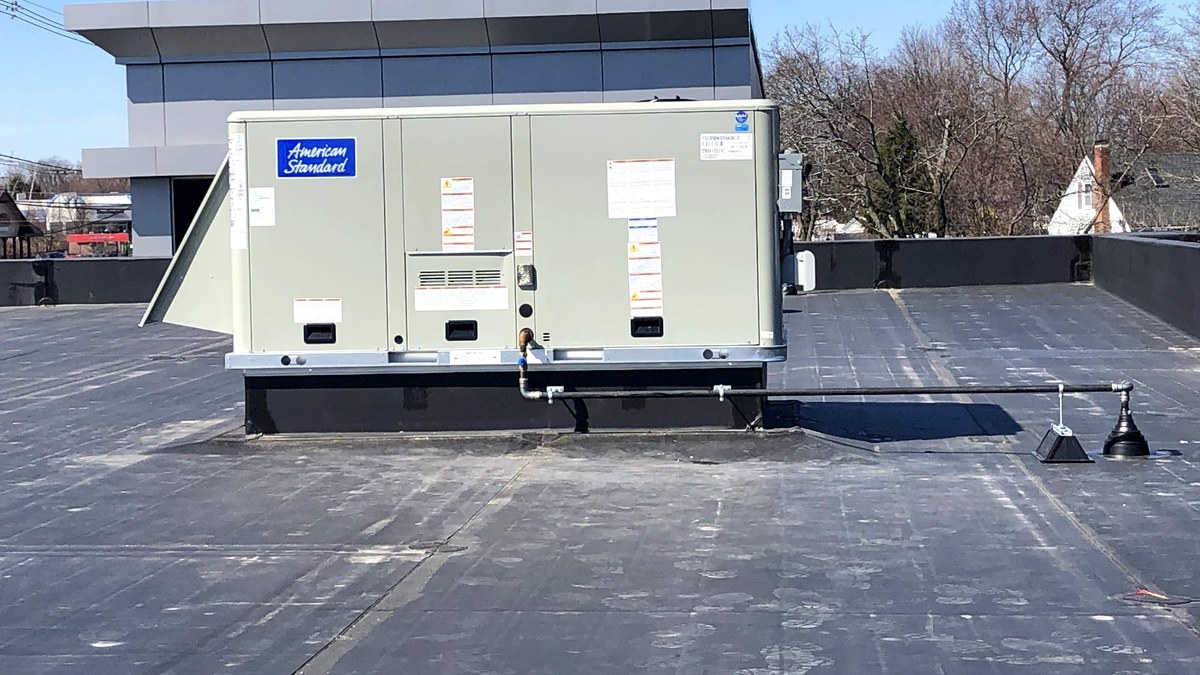
The work photo used for this post shows a commercial rooftop HVAC unit on a flat roof, with the roof surface, curb area, gas piping, and service space visible. It is a good reminder that commercial rooftop HVAC replacement is not only about choosing a new unit. The roof, utilities, access, airflow, and future maintenance all need to be considered before the job starts.
NewGen HVAC works with businesses across Methuen, the Merrimack Valley, and Southern New Hampshire on practical commercial HVAC service, replacement, and maintenance decisions. Here are the checks business owners and property managers should think through early.
1. Confirm Why the Existing Rooftop Unit Is Being Replaced
Before replacing a commercial rooftop unit, the first question is simple: what problem are we solving?
Common reasons businesses start considering commercial rooftop HVAC replacement include:
- The unit cannot maintain temperature during busy hours
- Repair calls are becoming more frequent
- Major components such as compressors, heat exchangers, or blower assemblies are failing
- Energy use seems high compared with past seasons
- Parts are harder to find for an older unit
- Tenants or staff are reporting uneven comfort
- The equipment is near or past its expected service life
A good diagnosis matters. Sometimes a business needs replacement. Other times, the issue may be airflow, controls, dirty coils, economizer problems, duct leakage, or poor maintenance access. Replacing equipment without understanding the root issue can carry the same comfort problem into the new system.
2. Look at the Roof Condition and Unit Curb
The rooftop unit sits on a curb or support structure that connects the unit to the building. That area needs careful attention because it affects weather protection, airflow, and long-term reliability.
Before replacement, a contractor should review:
- Whether the existing curb is sound and properly sealed
- If the new unit matches the curb or needs an adapter
- Roof membrane condition around the unit
- Drainage paths and standing water concerns
- Any signs of previous leaks near the equipment
- Safe walking paths for future service
This is especially important on flat commercial roofs in New England. Snow, ice, ponding water, and repeated freeze-thaw cycles can expose weak seals. The HVAC work and roofing details need to work together so the new unit does not create avoidable roof problems.
3. Check Gas, Electrical, and Control Connections
The visible piping and utility connections around a rooftop unit are part of the replacement plan. A new unit may have different electrical requirements, gas capacity needs, control wiring, or disconnect locations.
Before scheduling the job, confirm whether the existing connections are reusable, need modification, or should be brought up to a better service layout. That includes:
- Electrical disconnect condition and placement
- Gas line sizing and routing, when applicable
- Condensate drainage
- Thermostat or building control wiring
- Clearance around panels and service doors
- Safe shutoff access
Business owners do not need to know every technical detail, but they should expect the contractor to inspect these items before installation day. Surprises on the roof can delay a replacement and extend downtime.
4. Plan for Access and Business Downtime
Commercial rooftop HVAC replacement can involve lift equipment, roof access, material staging, and coordination with building occupants. A smooth job starts with planning around the business schedule.
Questions to ask early include:
- Can the roof be accessed safely?
- Is a crane or lift needed?
- Where can equipment be staged without blocking customers or deliveries?
- Can work be scheduled outside peak business hours?
- How long will the space be without heating or cooling?
- Are any tenants, staff, or neighboring businesses affected?
For restaurants, offices, retail spaces, and light commercial buildings, downtime has a real cost. Planning the replacement window helps keep disruption manageable.
5. Match the New Unit to the Building, Not Just the Old Nameplate
It can be tempting to replace a rooftop unit with the same size listed on the old equipment. That is not always the best answer. Buildings change over time. Occupancy changes, interior build-outs, kitchen loads, ventilation needs, insulation improvements, and equipment additions can all affect heating and cooling demand.
A practical replacement review may look at:
- How the space is currently used
- Hot and cold complaint areas
- Ventilation requirements
- Duct condition and airflow limitations
- Thermostat location and zoning needs
- Whether the old unit was oversized or undersized
The goal is not just to put a new box on the roof. The goal is reliable comfort, efficient operation, and equipment that can be serviced properly over time.
6. Do Not Ignore Maintenance Access
A rooftop unit that is difficult to service often becomes a neglected unit. Service access should be part of replacement planning from the start. Technicians need room to open panels, clean coils, inspect belts or motors, check electrical components, and safely work around the unit.
Good maintenance access helps with:
- Faster diagnostics
- Safer repair visits
- Better coil cleaning
- More consistent seasonal maintenance
- Fewer preventable breakdowns
- Longer equipment life
If a unit is squeezed against a parapet, blocked by piping, or difficult to reach, routine maintenance becomes harder than it needs to be. That can cost the business later.
7. Replacement Is Also a Chance to Improve Reliability
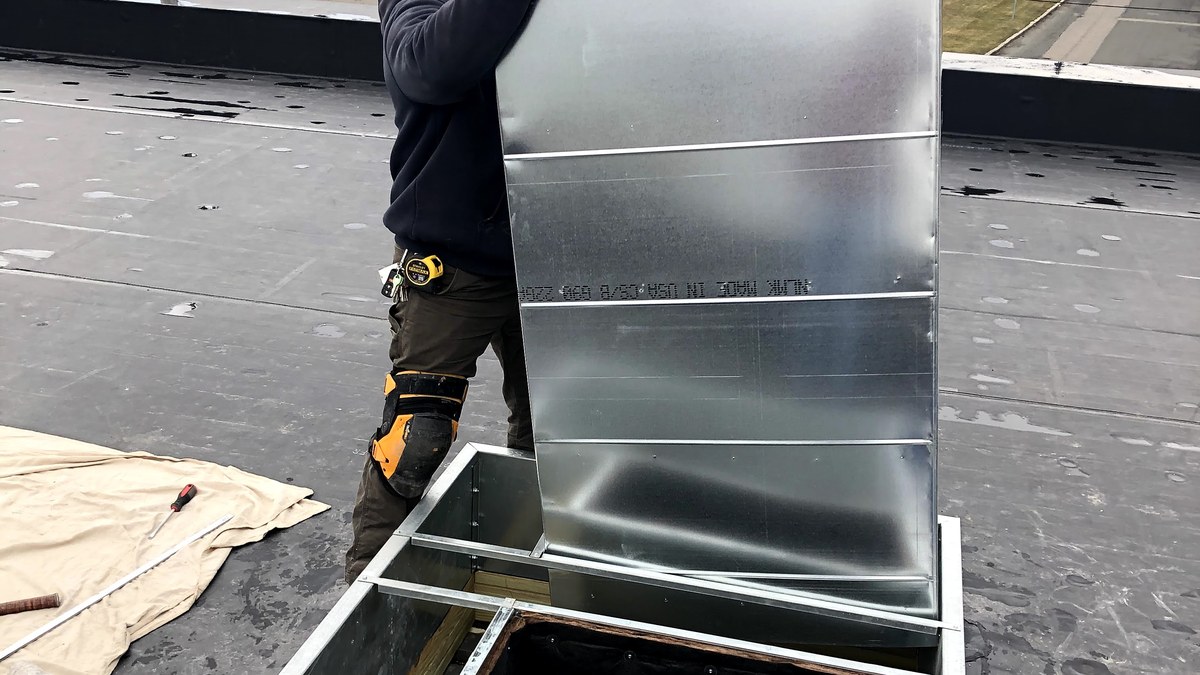
When a rooftop unit is being replaced, it is a good time to correct problems that may have been tolerated for years. That can include poor duct transitions, weak roof sealing, awkward utility routing, inadequate drainage, or lack of a realistic maintenance plan.
For businesses in Methuen, Lawrence, Haverhill, Andover, Salem NH, and nearby communities, seasonal swings make reliability important. A unit that barely keeps up during a July heat wave or fails during a cold snap can disrupt operations quickly.
Commercial HVAC replacement should leave the building easier to service, not just temporarily more comfortable.
8. When to Call a Commercial HVAC Contractor
Call a commercial HVAC contractor when the rooftop unit is repeatedly failing, repair costs are becoming harder to justify, or comfort complaints are affecting operations. You should also schedule a review before a planned renovation, tenant change, or lease build-out that may change heating, cooling, or ventilation needs.
A practical contractor will inspect the existing system, explain whether repair or replacement makes sense, and identify roof or utility concerns before the job begins. That helps avoid rushed decisions during an emergency breakdown.
Local Commercial HVAC Help in Methuen, Merrimack Valley, and Southern NH
NewGen HVAC is a family-run HVAC company based in Methuen, MA, serving homes and businesses across the Merrimack Valley and Southern New Hampshire. In addition to residential HVAC, the team handles commercial HVAC, commercial refrigeration, and commercial kitchen equipment service in-house.
If your business is considering commercial rooftop HVAC replacement, or if an existing rooftop unit is not keeping up, contact NewGen HVAC for a practical inspection and free estimate. Call (978) 876-8558 or visit https://www.newgenhvac.com/contact/ to request service. For urgent equipment problems that cannot wait, ask about 24/7 emergency help.
FAQ
How do I know if a commercial rooftop HVAC unit should be repaired or replaced?
Replacement may make sense when the unit is older, repairs are frequent, major components are failing, or the system cannot keep the space comfortable. A technician should still diagnose the issue first because some problems are caused by airflow, controls, maintenance, or ductwork rather than the unit itself.
Can a new rooftop unit use the existing roof curb?
Sometimes, but not always. The curb must be inspected for condition, fit, sealing, and compatibility with the new unit. In some cases, an adapter curb or additional roof work is needed.
How can businesses reduce downtime during rooftop HVAC replacement?
Plan early, confirm access, coordinate lift equipment, schedule around business hours when possible, and make sure utilities and curb conditions are reviewed before installation day. Good planning reduces surprises.
Does NewGen HVAC service commercial rooftop units?
Yes. NewGen HVAC provides commercial HVAC service for businesses in Methuen, the Merrimack Valley, and Southern NH, including rooftop unit repair, maintenance, and replacement planning.